
Overview
Both roof restoration and roof replacement are designed to improve the performance of a commercial roofing system, but they accomplish that goal in very different ways. Roof restoration focuses on preserving an existing roofing system that remains structurally sound. Through repairs, waterproof coatings, flashing improvements, and preventive maintenance, restoration can renew performance while avoiding the cost and disruption of a complete replacement. Roof replacement, on the other hand, involves removing all or part of the existing roofing assembly and installing a new commercial roofing system designed to serve the building for decades to come.| Comparison Factor | Roof Restoration | Roof Replacement |
|---|---|---|
| Project Scope | Repairs and system renewal | Complete roofing system installation |
| Construction Time | Typically shorter | Typically longer |
| Existing Roof | Preserved when appropriate | Removed or replaced |
| Best For | Structurally sound roofs | Extensive deterioration |

Option A: Commercial Roof Restoration
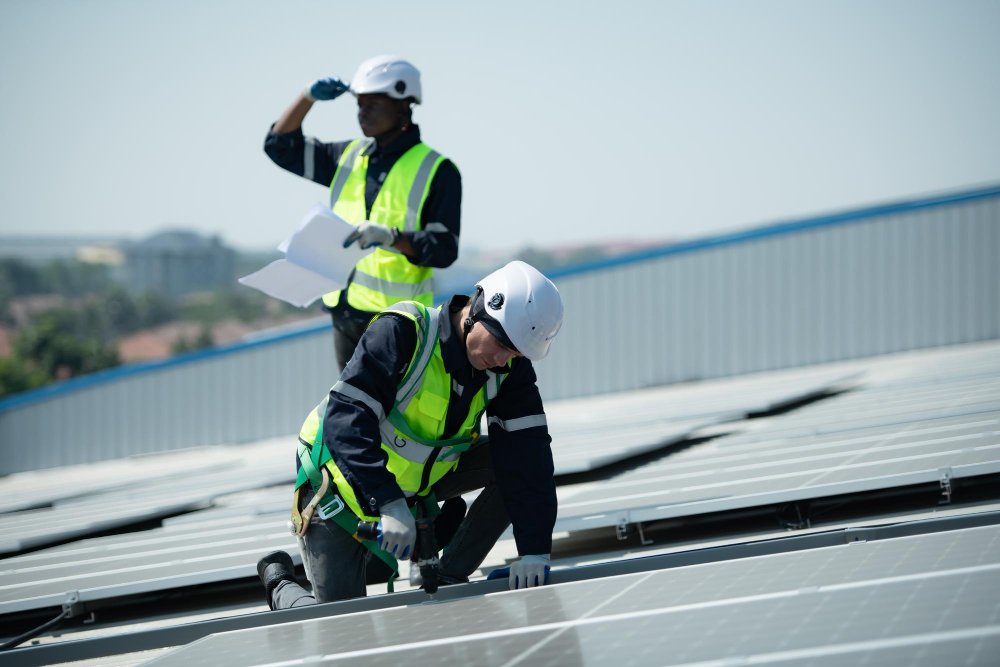
Roof restoration is often the preferred choice when the roof remains structurally sound but has begun showing signs of weathering or localized damage. Instead of removing the entire roofing system, restoration focuses on improving the performance of the existing roof through carefully targeted repairs. Typical restoration work may include repairing membrane damage, replacing flashing, improving drainage, restoring waterproof protection, and applying roof coatings where appropriate. Pros- Lower overall project disruption.
- Preserves much of the existing roofing system.
- Can extend roof service life.
- Often completed more quickly than replacement.
- Addresses localized roofing concerns.
- Not appropriate for severely deteriorated roofs.
- Cannot correct major structural problems.
- Requires a roof that remains fundamentally serviceable.
Winner Highlight
If your existing commercial roof remains structurally sound and problems are limited to specific areas, restoration often delivers excellent long-term value while minimizing operational disruption.
Option B: Commercial Roof Replacement
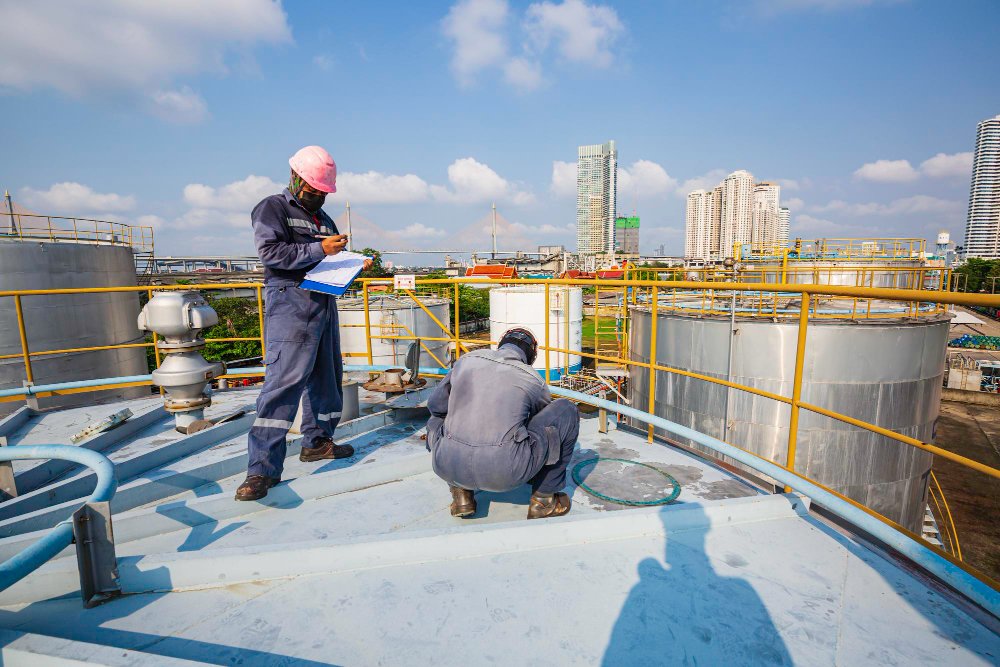
Replacement becomes the stronger option when repairs can no longer restore dependable performance. Widespread deterioration, saturated insulation, repeated leaks, or significant structural concerns often indicate that investing in a completely new roofing system provides greater long-term reliability. A new commercial roof also creates opportunities to improve insulation, drainage design, waterproofing details, and overall building performance. Pros- Provides an entirely new roofing system.
- Allows insulation and drainage improvements.
- Addresses widespread deterioration.
- Supports long-term building performance.
- Offers the greatest opportunity to modernize the roofing assembly.
- Typically requires a larger investment.
- Longer construction schedule.
- Greater impact on building operations during installation.
Read More in Rustic Decor Revival Blog
- 10 Stunning Bow Window Ideas That Transform Any Home
 Explore 10 beautiful ways to incorporate bow windows into your home to enhance comfort, functionality, and architectural appeal.
- 12 Aesthetic Colors That Instantly Elevate Your Home Exterior
 Explore 12 aesthetic exterior colors that improve curb appeal, complement architecture, and increase your home’s visual appeal.
- Parquet Flooring: Luxury Finishes and Descriptive Inspirations for Homeowners
 Our house had potential—but the exterior was stuck in a time warp. I wasn’t sure siding alone could make a difference, but James Hardie Siding proved me wrong in the best way. In this bold, storytelling-style article inspired by Alison Victoria, you’ll follow the full transformation: from fading curb appeal to a jaw-dropping facade that finally matched the home we knew we had inside. From design insight to durability wins, this is how one smart siding choice brought our house—and our love for it—back to life.
Side-by-Side Comparison
Although both options improve commercial roofing performance, the better choice depends entirely on the condition of the existing roof. Comparing the two approaches across key decision factors helps clarify which investment delivers the greatest value for a particular building.| Decision Factor | Restoration | Replacement | Recommended Choice |
|---|---|---|---|
| Minor Roof Damage | ★★★★★ | ★★☆☆☆ | Restoration |
| Extensive Deterioration | ★★☆☆☆ | ★★★★★ | Replacement |
| Project Duration | ★★★★★ | ★★★☆☆ | Restoration |
| Long-Term System Renewal | ★★★☆☆ | ★★★★★ | Replacement |
| Operational Disruption | ★★★★★ | ★★★☆☆ | Restoration |
Winner Highlight
Choose Roof Restoration when the existing roof remains structurally sound and localized repairs can restore long-term performance.
Choose Roof Replacement when widespread deterioration, recurring leaks, or major system failures prevent the roof from providing dependable protection.